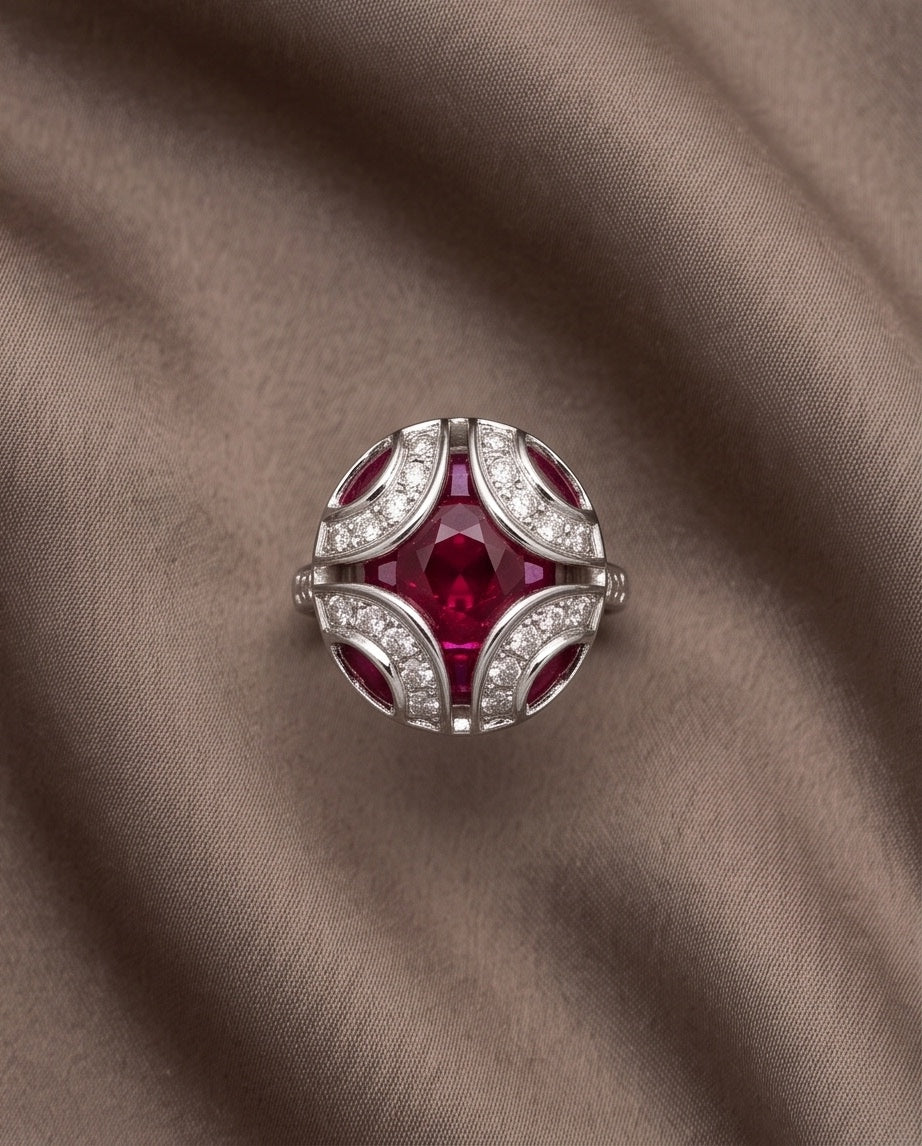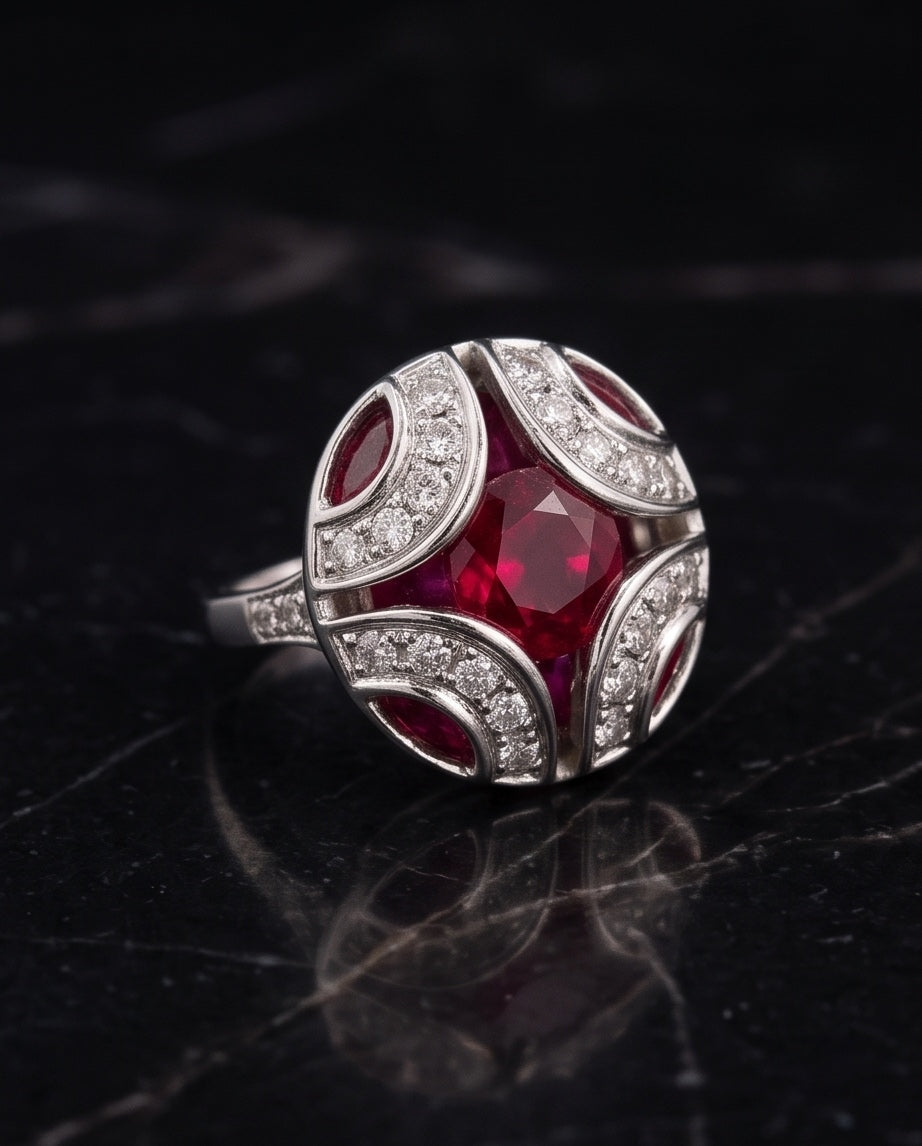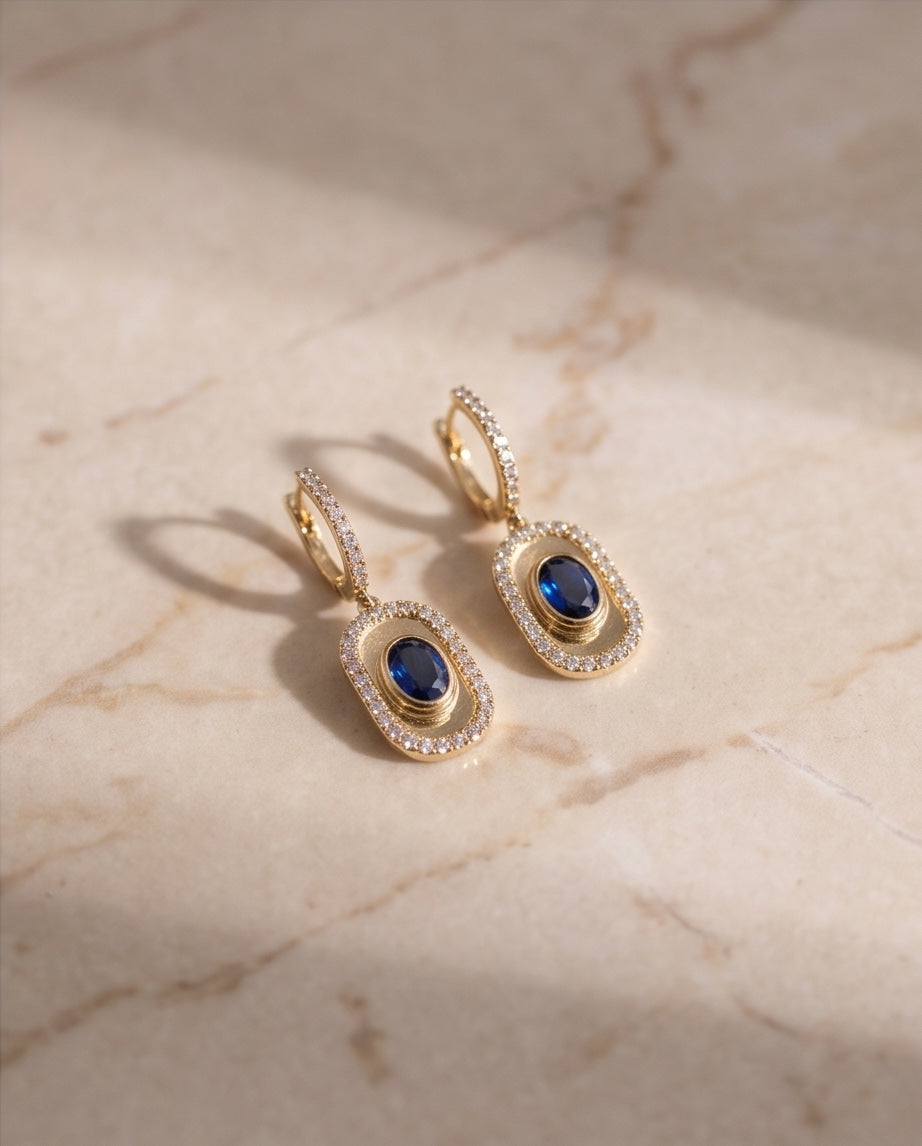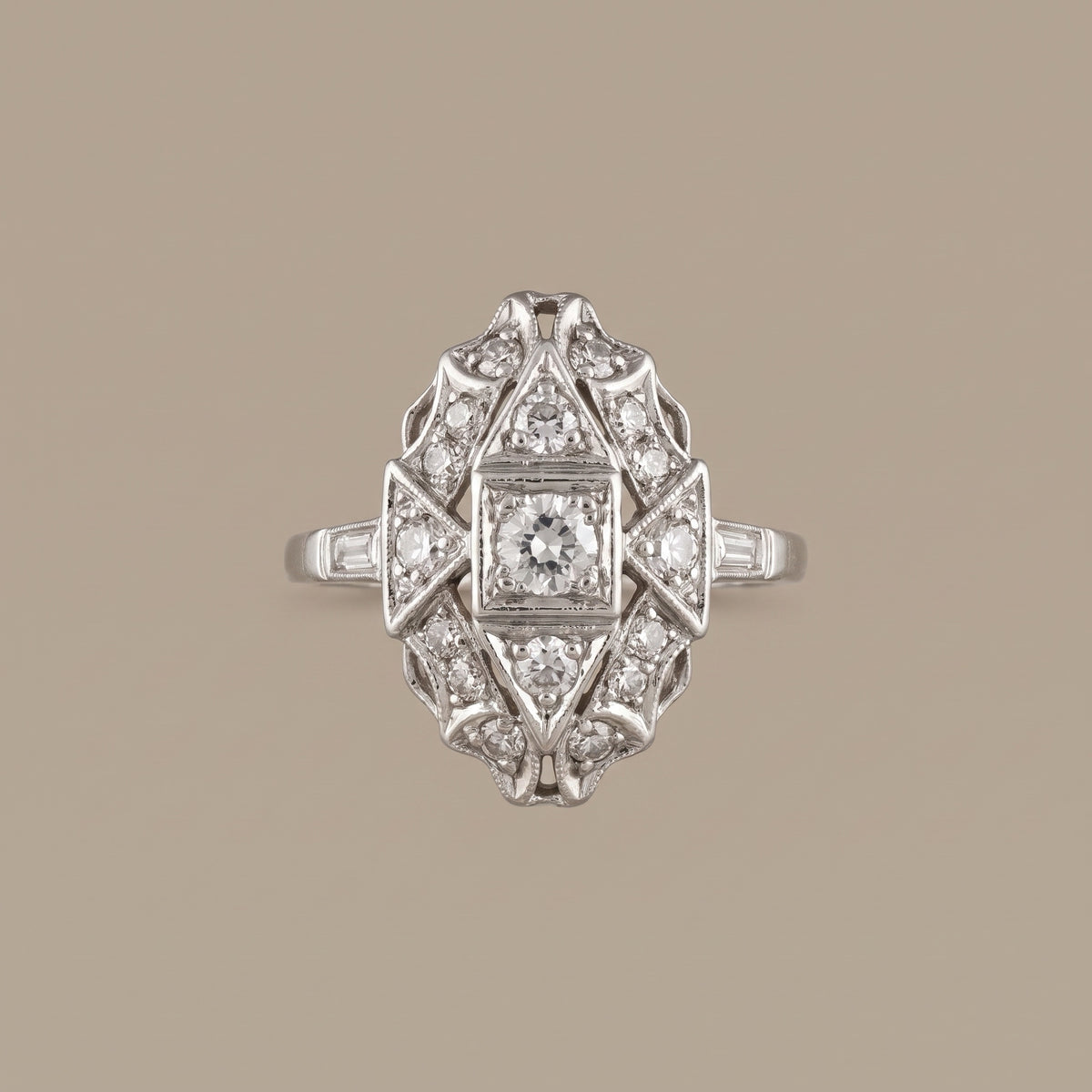
How to Buy Preowned Jewelry: A 2026 Guide
Last Updated: September 23, 2026
Why Buy Preowned Jewelry in 2026
Learning how to buy preowned jewelry well starts with understanding what you're actually getting: a piece with a history, often made by hand, frequently built to a standard that mass production rarely matches today. At Estate Jewelers, we curate vintage and estate pieces, and the questions we hear most are about authenticity, durability, and value. This guide answers them.
The market has shifted. Buyers who once defaulted to new pieces now ask about ethical sourcing and resale value before they ask about size. That's a meaningful change, and it rewards shoppers who know what to look for.
Below, we'll walk through authentication, the difference between vintage and estate jewelry, appraisal, and long-term care. The goal is simple: help you buy preowned jewelry with confidence instead of guesswork.
The Benefits of Buying Preowned Jewelry
The strongest argument for buying preowned jewelry is that you get craftsmanship you can't buy new at the same level. Older pieces were often hand-finished, set by hand, and made from solid precious metals rather than plated alloys. You're buying the work, not the marketing.
There's also selection. A new catalog repeats itself every season. Estate pieces are one of one.
Sustainability and Ethical Sourcing
Pre-owned jewelry sidesteps the demand for newly mined precious stones and metals. The U.S. Federal Trade Commission's Jewelry Guides set the standards sellers must meet when describing gemstone treatments and metal content, so a reputable seller's claims about natural stones are regulated, not just promised.
Many buyers find that buying pre-owned feels like the more responsible choice. The piece already exists. No new mining, no new refining, no new footprint.
Investment Potential and Resale Value
Not every piece appreciates, and honesty matters here. Signed pieces from recognized designer houses, high-carat natural stones, and well-preserved Art Deco or Victorian examples tend to hold value better than unsigned costume-adjacent work. Gold purity and carat weight anchor the floor.
A common mistake is assuming "old" equals "valuable." It doesn't. Rarity, maker, and condition drive resale value, not age alone.
Key Takeaway: Buy the piece you'll wear, not the piece you hope to flip. Resale value is a bonus, not a strategy, unless you're collecting signed pieces from recognized designer houses.
How to Authenticate Estate Jewelry
Authentication is where most buyers get nervous, and rightly so. The good news: a trained eye and a few inexpensive tools catch most problems before money changes hands. What follows is the same sequence a bench jeweler uses — work from the outside in, and stop the moment something doesn't reconcile.
Start with the basics. Check for hallmarks, examine the stone under magnification, and weigh the piece against its stated metal content. If a seller can't answer basic questions about origin, walk away.
Key Hallmarks and Maker's Marks
Hallmarks are stamped marks that indicate metal purity and, often, the maker or assay office. On gold, look for a karat stamp such as 14K or 18K. On platinum, expect a "PLAT" or "950" mark. On sterling silver, look for "925" or "STERLING."
Maker's marks identify the designer or house. A signed piece from a recognized designer house carries more weight than an unsigned one. Counterfeits exist, so compare the stamp's font and placement against documented examples.
A few practical checks separate a genuine stamp from a stamped-on fake:
- Depth and crispness. Genuine hallmarks are struck into the metal, so the edges are slightly raised and the interior is smooth. Lasered or engraved fakes often show a burr, a bright cut edge, or a shallower impression.
- Placement consistency. Makers stamp in predictable spots — inside a ring band, on a clasp tongue, on a bail. A mark in an odd location is a question, not a disqualifier, but it deserves an answer.
- Font and spacing. Compare letterforms against documented examples from the same house and era. Slight variations happen across decades; wrong typefaces usually don't.
- Wear pattern. A stamp on a genuinely old piece is often softened by decades of polishing. A razor-sharp mark on a piece that otherwise shows heavy wear is a mismatch worth investigating.
Evaluating Gemstone Quality and Metal Purity
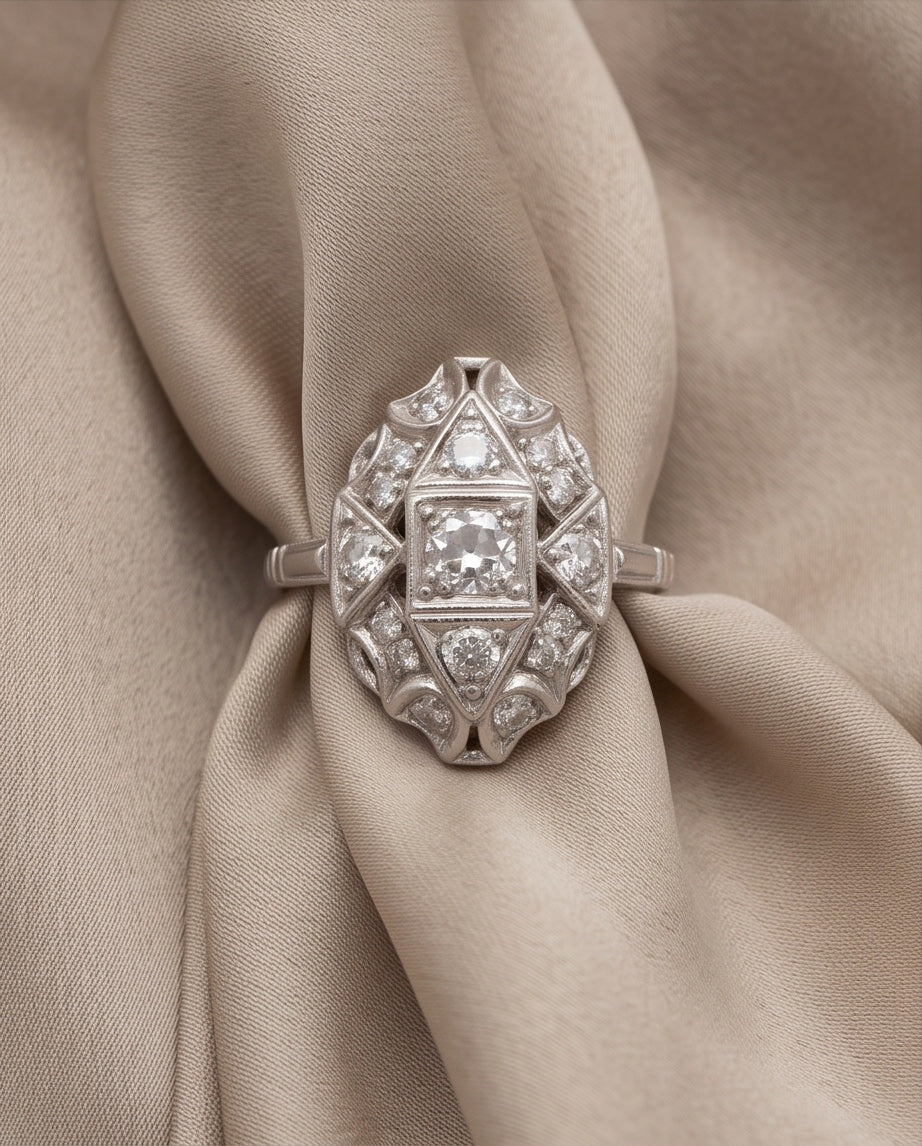
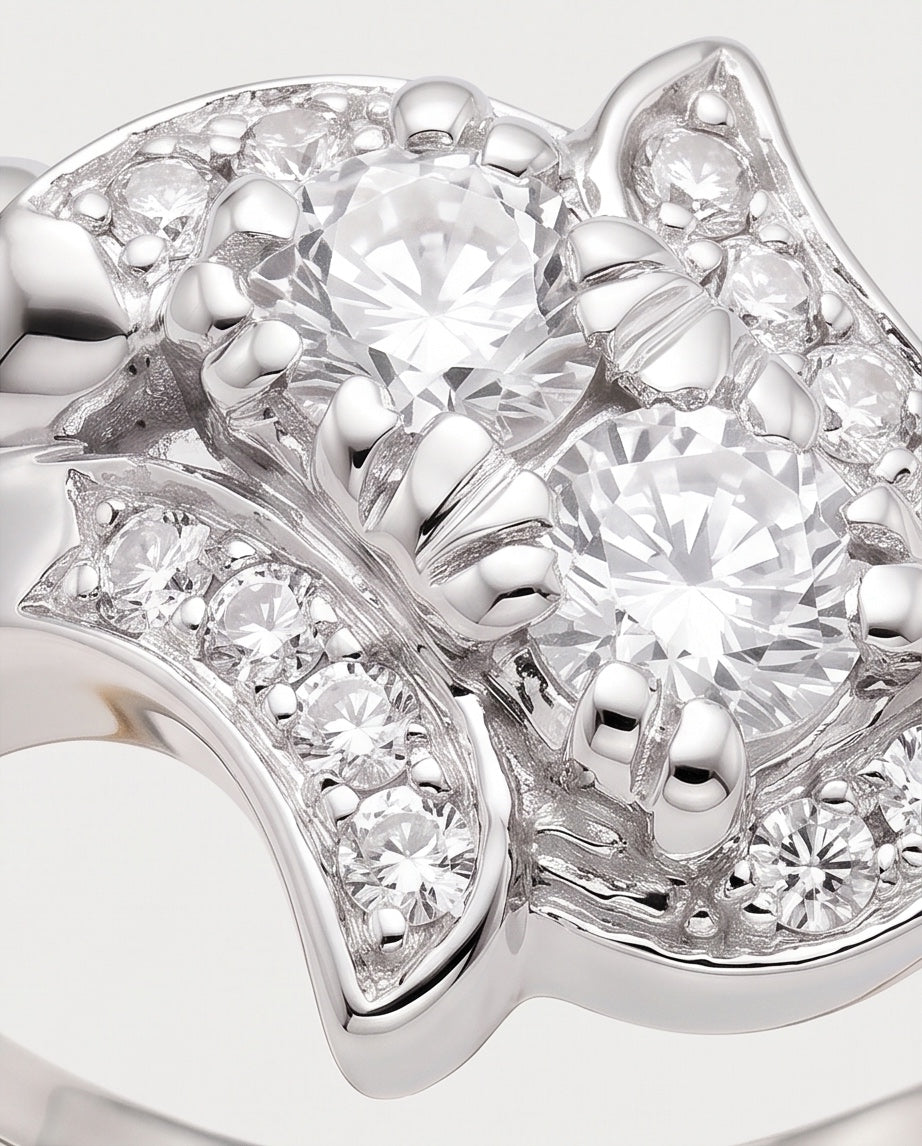
Gemstone quality comes down to the classic four: cut, color, clarity, and carat weight. In estate pieces, expect slight variation. Old-cut diamonds, for instance, have different facet patterns than modern cuts, and that's a feature, not a flaw.
For metal purity, gold is measured in karats and platinum in parts per thousand. A Gemological Institute of America guide to diamond grading is the reference most jewelers use. Ask whether stones are natural, treated, or lab-created, and get it in writing.
A Pre-Purchase Red-Flag Checklist
Most authentication failures aren't sophisticated forgeries — they're ordinary mismatches a careful buyer can catch. Run through this list before you pay:
- Price versus metal content. Weigh the piece and do the math on scrap value at current gold or platinum prices. If the asking price is far below melt value, either the metal isn't what it claims to be or something else is wrong.
- Stone-to-setting mismatch. A high-color, high-clarity stone in a crude or poorly finished setting is a contradiction. Fine stones were set by fine hands.
- Inconsistent wear. Prongs, shanks, and clasps wear at predictable rates. A worn band with pristine prongs usually means a recent reset — fine if disclosed, a problem if it isn't.
- Modern fasteners on an "antique" piece. Spring-ring and lobster clasps, screw-back earring posts, and certain safety catches postdate many of the eras attributed to a piece. A single anachronistic component can date a piece decades later than advertised.
- Pressure tactics. Urgency is the oldest tool in the counterfeit trade. A real one-of-a-kind piece will still be there tomorrow.
Watch Out: No online checklist replaces hands-on inspection. For any piece where the price of being wrong exceeds the cost of verification, budget for a GIA appraisal before the return window closes, not after.
Tools Worth Owning
You don't need a full bench setup to shop intelligently. A 10x jeweler's loupe, a digital scale accurate to 0.01 grams, a magnet, and a jeweler's rouge cloth cover most of what a buyer needs. A magnet will not attract gold, platinum, or silver; it will attract many base-metal fakes. None of these tools prove authenticity on their own — they flag pieces that deserve a closer look.
When to Walk Away
Walking away is a skill. If something about the piece doesn't add up on close inspection, or the price makes no sense against the metal and stone content, the correct move is to leave. There is always another piece.
Understanding Vintage vs. Estate Jewelry
Estate jewelry refers to any pre-owned fine jewelry being resold, regardless of age. Vintage jewelry typically means pieces at least 20 years old. Antique generally means 100 years or older.
The distinction matters for pricing and for what you can expect.
| Term | Typical Age | What It Signals |
|---|---|---|
| Estate | Any pre-owned piece | Resold fine jewelry, any era |
| Vintage | 20+ years old | Recognizable period style |
| Antique | 100+ years old | Historical piece, higher scrutiny |
What to Look For When Buying Preowned Jewelry
Before you buy preowned jewelry online, take a close look at the photos and specs and, for higher-value pieces, plan on a GIA appraisal. Careful inspection is the buyer's best friend.
Watch Out: Skipping a hands-on inspection is the single most common mistake. A loose setting or worn prong that isn't obvious in photos can cost more to repair than the piece is worth, and most return windows close before you'd notice.
Inspecting the Piece Yourself
Look closely at the piece's current state: scratches, prior repairs, stone security, and any replaced components. Prongs, shanks, and clasps wear at predictable rates, so uneven wear is worth a second look.
Insurance and Appraisal Guide
Get a GIA appraisal before insuring a piece. An appraisal establishes replacement value, which is what insurers use to set coverage. Use a GIA appraiser for high-value purchases.
Caring for Vintage and Estate Jewelry
Caring for vintage and estate jewelry means gentler handling than modern pieces. Older settings, softer stones, and delicate metalwork don't tolerate the same cleaning routines.
Pro Tip: Photograph each piece from multiple angles the day you buy it, and store the images with your appraisal. If you ever file an insurance claim, dated photos taken at purchase carry far more weight than ones taken after a loss.
Frequently Asked Questions
What should I look for when buying estate jewelry?
Look for hallmarks and consistent craftsmanship. Check metal purity marks like 14K or 18K, and verify gemstone quality with a loupe. For higher-value pieces, plan on a GIA appraisal. If buying online, review detailed descriptions and high-resolution photos, and confirm return policies before purchasing.
How do I verify the authenticity of pre-owned designer jewelry?
Check maker's marks, serial numbers, and hallmarks against known records. Look for consistent craftsmanship, correct stone settings, and period-appropriate design details. For designer pieces, compare signatures and hardware to documented examples. A GIA appraiser can confirm metal purity and gemstone identity.
Is it safe to buy preowned jewelry online?
Buying preowned jewelry online is safe when you choose established sellers with clear return policies. Review the photos closely, ask for additional angles if needed, and pay with secure methods that offer buyer protection. Avoid listings without detailed descriptions.
What is the difference between vintage, antique, and estate jewelry?
Estate jewelry refers to any preowned piece, regardless of age. Vintage jewelry is typically 20 to 99 years old, while antique jewelry is at least 100 years old. Estate jewelry can be modern or historic. These terms describe age and ownership history, not quality. A piece's value depends on materials, craftsmanship, and condition, not just its category.